


- +61 491 7188 14
- info@d-babysitters.com.au
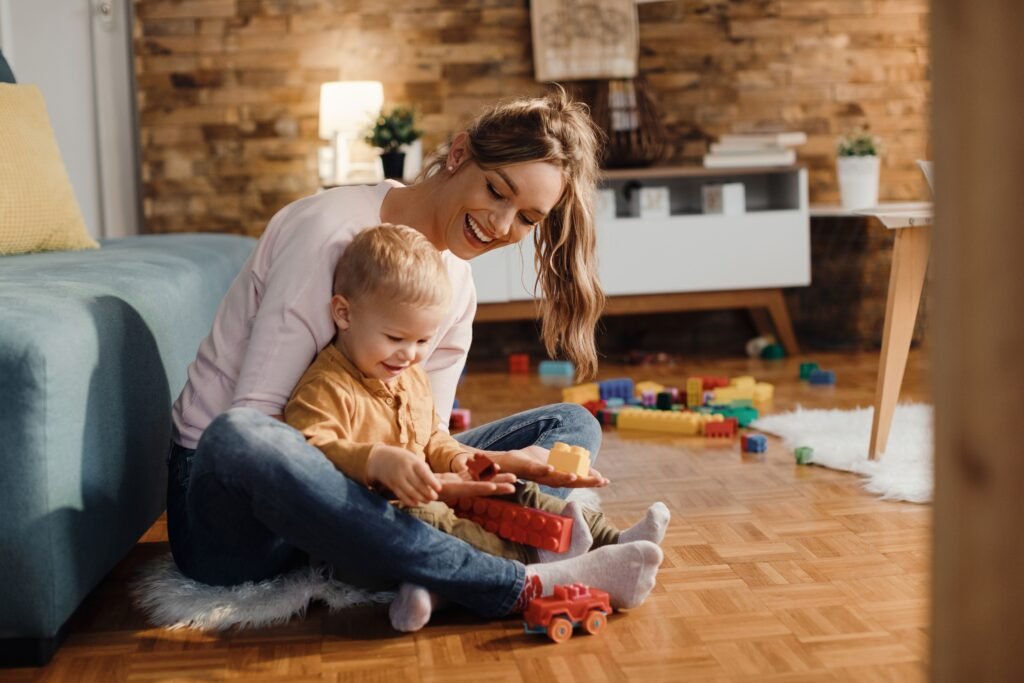
Why the First Few Years Are Crucial for Your Child’s Development
The first few years of a child’s life are often referred to as the “foundation years,” and for good reason. This period is a time of rapid brain growth, emotional development, and physical changes that lay the groundwork for a child’s future success, health, and well-being. As parents, caregivers, or educators, understanding the importance of these early years can help us better support our children’s development in meaningful ways. Here’s why the first few years are so crucial and how you can make the most of this vital time.
1. Brain Development and Learning Capacity
The brain undergoes remarkable growth during the first few years of life. By the age of three, a child’s brain is already about 80% of its adult size, and it forms millions of neural connections every second. This rapid development is critical for establishing the foundation for future learning. Children’s brains are incredibly plastic during these early years, meaning they are highly adaptable and responsive to new experiences, language, and information.
During this time, babies and toddlers are like sponges, absorbing everything around them—whether it’s through listening to language, exploring the world, or engaging in simple play. The more rich, stimulating experiences a child has, the stronger their brain connections will be, setting the stage for cognitive abilities, language skills, and problem-solving in the years to come.
2. Language Development
The early years are also a key period for language development. Babies begin to understand and process language long before they can speak. In fact, research shows that babies start to recognize sounds, words, and patterns in language from birth. By engaging in conversations with your child, reading books, and singing songs, you are helping them develop critical language skills.
Research has shown that children who are exposed to more words, especially through meaningful interactions with caregivers, have a stronger vocabulary and better language skills by the time they enter school. The language-rich environment you create during these early years is essential for setting up your child to excel in communication, which is a critical part of social and academic success.
3. Social and Emotional Development
The first few years of life are also a time for significant emotional and social growth. Babies learn how to interact with others, form attachments, and recognize and express emotions. The relationships a child builds during this time, particularly with their primary caregivers, are critical for emotional well-being.
Secure attachment—when a child feels loved, safe, and understood—lays the foundation for healthy emotional development. Children who experience nurturing relationships in the early years tend to develop better social skills, higher self-esteem, and better resilience to stress as they grow older. Furthermore, early emotional experiences help a child regulate their emotions, which is important for managing stress and forming positive relationships later in life.
4. Physical Growth and Motor Skills
Physical development in the first few years is just as important as brain and emotional development. From rolling over and crawling to walking and running, the early years are marked by huge milestones in physical growth. Babies’ muscles and motor skills develop quickly during these years, and physical activity plays a key role in this process.
Through movement, babies and toddlers build strength, coordination, and motor control. Encouraging activities like tummy time, crawling, playing with toys, and engaging in outdoor activities can support a child’s physical development and help them reach important milestones in a timely manner. A strong foundation in motor skills also enhances a child’s ability to explore their environment and interact with the world around them.
5. Building Cognitive Skills Through Play
Play is essential for your child’s development, particularly in the first few years. Through play, children explore their world, solve problems, develop social skills, and begin to understand the concept of cause and effect. Whether it’s stacking blocks, pretending to cook, or playing hide-and-seek, playtime allows children to practice creativity, imagination, and critical thinking.
Interactive play also supports the development of executive functions, which include planning, attention, and decision-making. The more opportunities a child has to play in a safe and stimulating environment, the stronger their cognitive abilities will become. Providing a variety of toys, puzzles, and activities helps stimulate different areas of brain development, giving your child the tools they need to learn and grow.
6. The Impact of Environment and Caregivers
The environment in which a child grows up plays a significant role in their development during these formative years. A nurturing, safe, and stimulating environment encourages exploration, learning, and social interaction. This includes not only physical spaces but also emotional and social environments.
Caregivers and parents play an essential role in providing the love, structure, and guidance that children need during this period. Responsive parenting—where a caregiver is attuned to a child’s needs and offers comfort, support, and boundaries—helps foster a child’s security and confidence. Positive reinforcement, praise, and setting appropriate limits all contribute to the development of a child’s emotional and behavioral well-being.
7. Early Intervention Matters
If a child is experiencing developmental delays or challenges, the early years are the best time to intervene. Early intervention programs can help address developmental issues and provide support for children with special needs. The earlier a child receives the support they need, the better their chances are for overcoming challenges and developing skills that will help them succeed in school and life.
Conclusion
The first few years of life are crucial because they lay the foundation for everything that comes next. From brain development and language acquisition to social skills and emotional well-being, what happens in the early years shapes your child’s future in profound ways. As a parent or caregiver, providing a loving, stimulating, and supportive environment during this time will help ensure that your child has the best possible start in life.
By engaging with your child through play, conversation, and nurturing, you’re helping to build a strong foundation that will support their growth for years to come. Remember, the early years truly matter, and the investment you make in your child’s development now will pay off for a lifetime.
Share
Popular Posts


Newsletter
Subscribe Our Newsletter
D-BabySitters
Hi parents! My name is Dallas, and I’m in Grade 11. I have experience with kids and babies, and I take my job seriously.